Quick Summary
- Edmonton Water Hardness: Local water averages 10.2 to 21 grains per gallon, which is classified as hard to very hard.
- The Etching Process: Minerals do not just sit on top of the glass; they chemically bond to microscopic pores and create permanent physical damage.
- Hydrophobic Protection: EnduroShield creates a molecular bond that turns glass into a non-porous, water-repellent surface.
- Maintenance Reduction: Treated surfaces require up to 90% less cleaning time and eliminate the need for harsh chemical scrubbers.
- Longevity: Professional applications on new glass carry a 10-year warranty, outlasting any DIY spray-on solution.
- Environmental Impact: Eliminating acidic cleaners protects your home’s indoor air quality and reduces chemical runoff.
If you have spent hours scrubbing white, cloudy spots off your shower doors only for them to return after a single use, you are dealing with the chemical reality of Edmonton’s water supply. Most homeowners in the Capital Region assume that foggy glass is just a cleaning issue, but the truth is more technical: your water is physically changing the structure of your glass. This guide explains the science behind mineral damage, why traditional cleaning fails, and how professional-grade hydrophobic treatments like EnduroShield provide a permanent barrier against the North Saskatchewan River’s mineral profile. By the end of this post, you will understand how to transition from constant scrubbing to a maintenance-free bathroom environment.
The Science of Edmonton’s Water Supply
To understand why your shower glass looks ruined, you must first look at the source. Most of Edmonton’s drinking water is drawn from the North Saskatchewan River. While EPCOR maintains rigorous safety standards, the natural geography of the river basin ensures that the water is rich in minerals.
According to recent water quality data, Edmonton’s water hardness typically fluctuates between 169 and 174 mg/L of calcium carbonate. In practical terms, this is approximately 10 to 12 grains per gallon (GPG). During spring runoff or specific seasonal shifts, these levels can spike even higher. You can view the full technical breakdown of local water parameters at the EPCOR Water Quality Reports.
When this hard water hits your shower glass and evaporates, it leaves behind calcium and magnesium. In a high-heat, high-humidity environment like a bathroom, these minerals do not simply dry into a powder. They undergo a chemical reaction with the silica in the glass, leading to a process known as stage one and stage two corrosion.
Why Glass is Not Actually Smooth
One of the biggest misconceptions in residential maintenance is that glass is a solid, flat surface. Under a microscope, glass is actually quite porous, resembling a landscape of peaks and valleys.
When you shower, water trapped in these microscopic valleys begins to react. The alkaline nature of the minerals starts to eat away at the glass surface. This is why many homeowners find that even after using heavy-duty acids, the glass still looks cloudy when dry. The cloudiness is not dirt; it is a series of tiny pits in the glass that scatter light.
If you are planning a renovation with Custom Glass Showers, understanding this porosity is essential. Without a protective seal, even the highest quality tempered glass will begin to show signs of mineral etching within the first six months of use in the Edmonton area.
EnduroShield vs. Unprotected Glass: A Performance Comparison
The following table outlines the technical differences between standard untreated glass and glass treated with a professional hydrophobic coating.
| Feature | Standard Untreated Glass | EnduroShield Treated Glass |
| Surface Profile | Porous, high-friction | Non-porous, ultra-smooth |
| Water Interaction | Flat sheeting (high contact) | Hydrophobic beading (low contact) |
| Mineral Resistance | Chemical bonding occurs | Mechanical repulsion |
| Cleaning Frequency | After every 2–3 uses | Once per week (minimal) |
| Chemical Requirement | Heavy acids/abrasives needed | Mild soap or water only |
| UV Stability | N/A | High (won’t yellow or peel) |
| Warranty (Professional) | None | 10 Years (New) / 5 Years (Existing) |
The Triple-Phase Restoration Workflow
While many products claim to protect glass, professional-grade results require a specific sequence of chemical activation. This original framework ensures that the coating does not just sit on the glass but becomes part of it.
Phase 1: Substrate Decontamination
Before any coating can be applied, the glass must be stripped of all organic and inorganic contaminants. In the Edmonton area, this often involves removing a combination of soap scum, body oils, and existing calcium deposits. If the glass is not surgically clean, the coating will bond to the dirt rather than the silica.
Phase 2: Molecular Activation
Glass is naturally “hydrophilic,” meaning it loves water. To change this, a catalyst is applied to the glass surface to open up the molecular structure. This creates an environment where the hydrophobic molecules can anchor themselves deeply into the substrate.
Phase 3: Cross-Link Saturation
The EnduroShield liquid is applied, and the molecules begin to cross-link across the surface. Unlike a wax or a film, this is a “covalent bond.” It essentially creates a new, invisible layer that is only two molecules thick but incredibly durable. Once cured, this layer is permanent and can only be removed through heavy abrasion or the removal of the glass itself.
For more information on how these coatings are integrated into broader home maintenance, visit Residential Glass Solutions.
Local Considerations: The River Valley Mineral Profile
Living in Edmonton presents specific challenges for glazing. Our city experiences some of the most drastic temperature swings in North America. These thermal shifts cause shower enclosures to expand and contract.
Many DIY glass sealants are “film-forming” products. Because they are a separate layer on top of the glass, the thermal expansion often causes them to crack or peel over time. Because EnduroShield chemically bonds to the glass, it moves with the glass. It remains stable in the high-heat environment of a steam shower or the varied temperatures found in Alberta bathrooms.
Furthermore, homeowners in newer developments like Windermere or Griesbach often report higher levels of “new pipe” sediment. This fine particulate matter can act as an abrasive, speeding up the wear and tear on unprotected glass.
Professional Application Logistics & Constraints
While the benefits of glass protection are clear, there are realistic constraints that homeowners should be aware of during the installation process.
- Cure Time Requirements: After a professional application, the glass must remain completely dry for at least 8 to 24 hours, depending on the humidity levels in the home.
- Ambient Temperature: The coating cannot be properly applied if the bathroom is below 10°C or above 35°C. In Edmonton winters, the home’s heating system must be fully functional before a technician can treat the glass.
- Existing Damage Limits: If your glass has already reached stage two corrosion (permanent physical pitting), a coating will prevent further damage, but may not be able to “fill in” deep existing pits. In these cases, a restoration process is required before the seal.
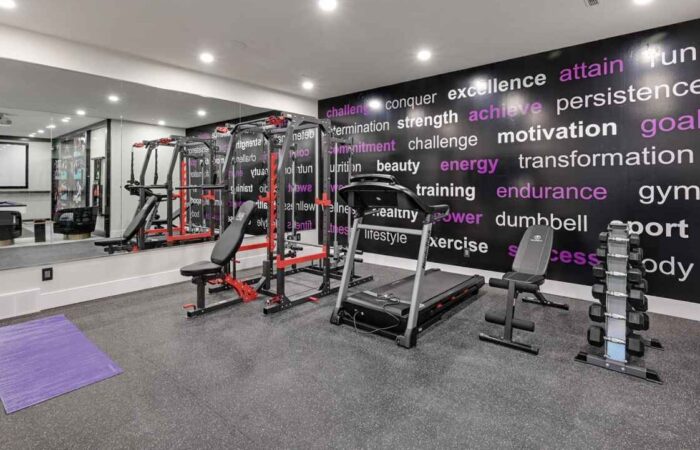
If you are managing a larger facility, such as a fitness center, these same principles apply to Custom Glass Mirrors, where sweat and cleaning chemicals can lead to surface spotting over time.
Homeowner Preparation for Professional Sealing
If you have decided to protect your investment, following a structured preparation checklist will ensure the best possible bond for the coating.
Pre-Application Checklist
- [ ] Remove Personal Items: Clear all shampoos, soaps, and razors from the shower enclosure.
- [ ] Clean the Area: Perform a basic wipe-down to remove heavy soap scum, though the technician will perform a deep decontamination.
- [ ] Ensure Ventilation: Ensure the bathroom fan is working, as the application involves high-purity alcohols that require airflow.
- [ ] Check for Hardware Issues: Ensure all hinges and handles are tight, as the glass should not be moved excessively during the initial 2-hour bonding phase.
- [ ] Schedule Downtime: Inform all household members that the shower will be out of commission for at least 12 hours following the appointment.
For a detailed walkthrough of the timeline for your specific project, you can Contact Red Seal Glass to discuss the logistics of your bathroom layout.
Common Mistakes in Shower Glass Maintenance
Despite the best intentions, many Edmontonians inadvertently ruin their shower glass by using the wrong tools.
- Using Abrasive Pads: Green scrub pads or steel wool will create tiny scratches in the glass. These scratches then become magnets for more hard water buildup.
- Relying on Daily Shower Sprays: Many “automatic” sprays contain chemicals that can actually break down the finish on your hardware (hinges and handles), even if they don’t hurt the glass.
- Ignoring the Squeegee: Even with a coating, a quick squeegee after each use is the single best way to ensure your glass stays “showroom clear” for a decade.
- Applying DIY Coatings Over Dirt: If you use a hardware store spray without a professional-grade decontaminant, you are essentially sealing the minerals onto your glass.
What To Do If Something Goes Wrong
If you notice that your glass is beginning to look cloudy again after a few years, it is usually not a failure of the coating, but rather a “buildup on top of the shield.”
- The Vinegar Soak: For heavy mineral buildup, mix a solution of 1 part white vinegar to 4 parts water. Spray it on the glass and let it sit for several minutes. This will dissolve the minerals sitting on top of the coating without damaging the bond.
- Microfiber Refresh: Sometimes a “cloudy” look is just a thin film of soap. A clean, dry microfiber cloth used with a bit of pressure can often “buff” the glass back to its original clarity.
- Professional Inspection: If the water stops beading entirely, it may be time for a professional “revitalizer” treatment. This is rarely necessary for the first 10 years, but can extend the life of the glass indefinitely.
FAQ: Hard Water and Glass Protection
How do I know if my glass is permanently etched?
If you clean your glass with a vinegar solution and it looks clear while wet, but the white “fog” returns as soon as it dries, the glass is likely etched. This means the minerals have physically eaten into the surface of the silica.
Is EnduroShield safe for all types of glass?
Yes, EnduroShield is designed to bond with any silica-based surface, including tempered shower glass, exterior windows, and even mirrors. It is an optically clear treatment that does not change the appearance or texture of the glass.
Does the coating make the floor of the shower slippery?
The coating is only applied to the vertical glass surfaces. While some overspray is possible during application, professional installers protect the shower floor to ensure no change in traction occurs.
How often do I need to clean my shower after it is treated?
Most homeowners find that a weekly wipe with a damp microfiber cloth and a mild detergent is sufficient. You will no longer need to spend 30-40 minutes scrubbing with heavy-duty chemicals.
What is the difference between factory-applied and on-site application?
Factory application happens before the shower is installed, ensuring 100% coverage in a controlled environment. On-site application is for existing showers and involves a more intensive cleaning and restoration phase before the seal is applied.
Can hard water damage the metal hardware, too?
Yes, Edmonton’s hard water can cause “pitting” and corrosion on chrome or brushed nickel hinges. While EnduroShield is primarily for glass, there are specific versions designed to protect stainless steel and chrome hardware from the same mineral damage.
Conclusion
Edmonton’s water isn’t going to change, but how you protect your home can. By moving away from reactive cleaning and toward proactive molecular protection, you can eliminate one of the most frustrating chores in modern home maintenance. EnduroShield isn’t just a “cleaning product”—it is an engineering solution that addresses the physical porosity of glass and the chemical reality of our local water supply.
Whether you are installing a new frameless enclosure or trying to save a cloudy door that has seen better days, the right treatment can preserve your bathroom’s aesthetics for years to come. For technical data on how these coatings perform in high-stress environments, you can consult the EnduroShield Glass Treatment official documentation.
If you are ready to stop scrubbing and start enjoying a maintenance-free shower, we can help you determine the best protection plan for your home. Reach out to our team today to get a professional quote on glass restoration and sealing services in the Edmonton area. Our technicians are ready to restore clarity to your space.