In Alberta, the home is a refuge—a place where design must meet the formidable demands of the northern climate. For modern homeowners and renovators in Edmonton and across the province, glass is no longer a simple structural necessity but a highly engineered functional component. From combating extreme cold and managing condensation to ensuring safety on elevated decks and optimizing interior flow, the quality and specification of your home’s glazing are paramount.
Red Seal Glass specializes in crafting custom glass solutions engineered for the unique challenges of the Alberta environment. This comprehensive guide delves into the functional imperatives of contemporary residential glass, exploring how high-performance glazing solutions enhance safety, maximize energy efficiency, and elevate the living quality of your modern home.
1. The Essential Functional Imperative: Addressing the Alberta Climate
The most critical function of glass in a cold-weather home is thermal performance. In Edmonton, where winter temperatures regularly plunge far below freezing, poorly insulated windows and doors represent a massive drain on energy and comfort. Functional glass is designed specifically to mitigate this heat loss and prevent destructive moisture buildup.
The Science of Insulation: Low-E, Argon, and Triple-Pane
High-performance glass units—known as Insulated Glass Units (IGUs)—are complex assemblies designed to minimize heat transfer. This functionality is measured primarily by the U-factor (a lower number indicates better insulation) and the R-value (a higher number indicates better thermal resistance).
The functional difference between a standard window and a high-performance unit lies in three key elements:
- Low-Emissivity (Low-E) Coatings: This invisible metallic layer is the workhorse of cold-climate efficiency. In Alberta, a passive (hard-coat) Low-E coating is ideal. It works by reflecting the long-wave infrared energy—the heat generated by your furnace—back into the room, preventing it from escaping outside. Simultaneously, it allows short-wave solar radiation to pass through, offering passive solar heat gain during sunny winter days. This selective filtering dramatically reduces the energy required to heat your home.
- Gas Fills (Argon/Krypton): The space between the glass panes (the cavity) is sealed and filled with an inert, dense gas like Argon or Krypton. These gases are significantly heavier than air and resist the convection currents that carry heat, reducing thermal transfer between the panes. Triple-pane units utilize two such gas-filled spaces for superior insulation.
- Triple Glazing: While dual-pane is standard, triple-pane insulating glass units are the optimal choice for the extreme cold and energy-conscious standards of Alberta. By utilizing three panes of glass and two gas-filled cavities, triple glazing achieves far superior U-factors, significantly reducing heat loss and maximizing comfort near the glass surface.
Preventing Condensation and Moisture Damage
A functional piece of glass must prevent the interior pane from becoming too cold. When warm, humid indoor air meets a cold surface, condensation forms, which can lead to unsightly moisture tracks, ice buildup, and long-term mould or mildew growth in the window frame and surrounding drywall.
High-performance IGUs combat this through their superior insulation. By keeping the interior pane surface warmer, the glass stays above the dew point of the indoor air, preventing moisture from condensing. This technical solution not only preserves the structure of your home but also contributes to a healthier indoor air quality environment.
2. Maximizing Safety and Durability with Structural Glass

In modern residential design, structural glass applications—such as stair railings, exterior deck guards, and high-load doors—are prized for their seamless aesthetic. However, their primary function is safety and compliance with the stringent Alberta Building Code (ABC), which adopts and modifies the National Building Code of Canada (NBC).
Glass Railings: Meeting and Exceeding Local Building Codes
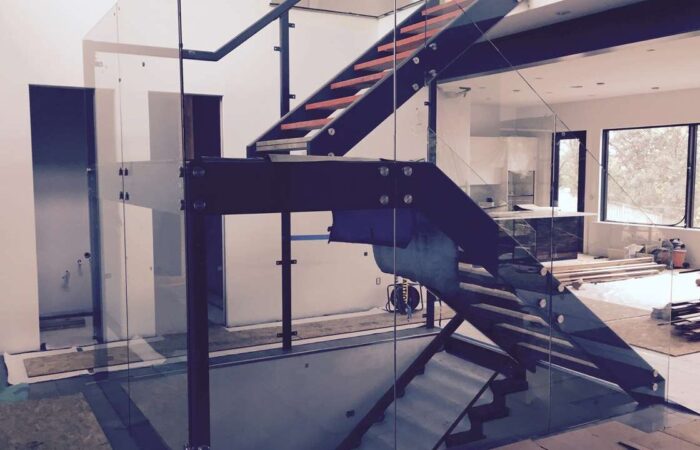
For any elevated surface, the guardrail system, including frameless glass railings, is a crucial safety barrier. Compliance is non-negotiable and requires specific glass types and thicknesses.
- Height Requirements: In Alberta, the minimum height for a guardrail is generally 1070 mm (42 inches) above the walking surface for platforms and decks over 1.8 meters (6 feet) off the ground, and 900 mm (36 inches) for platforms less than 1.8 meters off the ground. A professional glazier ensures these dimensions are met precisely during installation.
- Load Requirements: Glass railings must be engineered to withstand specific concentrated load tests, meaning they must be able to resist forces applied horizontally without failing. This ensures the railing remains stable if a person leans heavily against it.
- Safety Glazing: According to the ABC and NBC, glass used in railings must be made from specific safety glazing. This includes:
- Tempered Glass: The most common choice, strong and shatters into blunt fragments upon breaking.
- Laminated Glass: Recommended for frameless, structural applications. It uses a plastic interlayer (PVB) to hold the glass together even if fractured, ensuring the barrier remains intact until it can be replaced. This is often mandated for fully structural (top-rail-free) frameless systems.
Choosing a Red Seal certified glazier guarantees that your railing system is not only beautiful but also engineered to the highest Canadian structural safety standards.
High-Traffic Glass Doors: Balancing Light and Security
Glass doors—whether external patio sliders or interior room dividers—are functional solutions for maximizing natural light penetration and creating seamless flow.
- Exterior Sliding Doors: High-performance exterior glass doors must integrate the same triple-pane, Low-E IGUs used in windows to maintain the thermal envelope. Additionally, the glass must be tempered for impact safety, and the hardware must be robust enough to withstand constant use and provide strong security against forced entry.
- Interior Glass Doors and Partitions: These are functional tools for space management. Instead of solid walls that block light, interior glass walls—a Red Seal specialty—can divide large open rooms into smaller, acoustically controlled spaces (like home offices or gyms) without sacrificing the airy, bright aesthetic.
- Interior glass partitions can incorporate various features for functionality:
- Frosted or etched films for privacy.
- Laminated glass for enhanced sound dampening (acoustic control).
- Sliding or pivot mechanisms save floor space compared to traditional swinging doors.
- Interior glass partitions can incorporate various features for functionality:
Functional glass doors are designed to open up the home visually while providing necessary physical, thermal, or acoustic separation.
3. Bathroom Functionality: Hygiene, Light, and Water Management

The bathroom environment poses unique challenges to materials—namely, persistent moisture, temperature fluctuations, and the corrosive effects of hard water and cleaning agents. Modern glass solutions are designed to be the most hygienic, low-maintenance option available.
Frameless Enclosures: The Key to Modern Hygiene and Maintenance
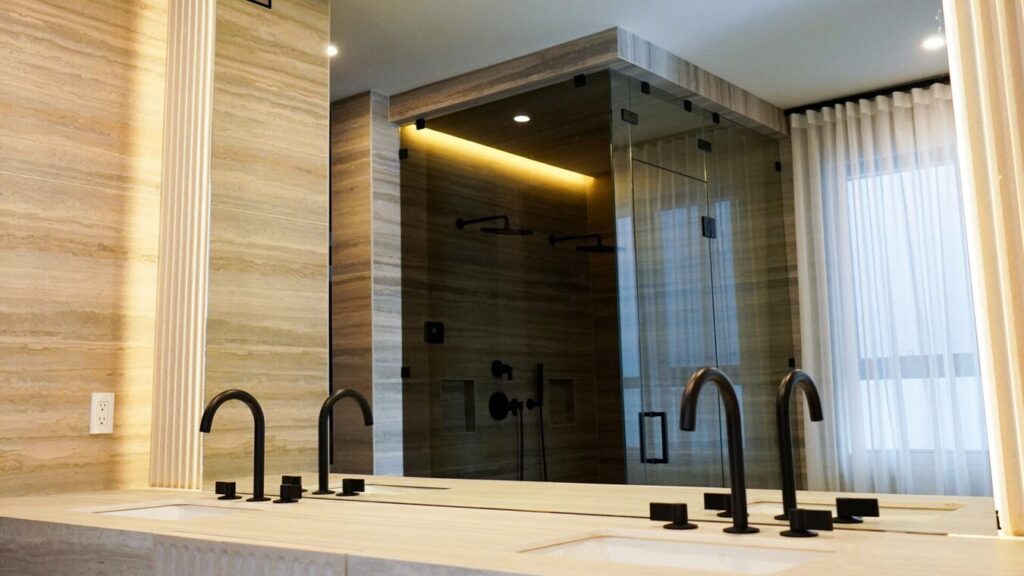
Frameless glass shower enclosures—constructed with thick, heavy tempered glass—are the functional gold standard in contemporary bathrooms.
- Superior Hygiene: Unlike framed showers, which use metal channels and tracks that trap moisture, soap scum, and mould, frameless systems minimize metalwork. This reduces the number of places where bacteria and mildew can grow, leading to a significantly cleaner and healthier shower environment.
- Custom Water Management: Every component of a custom frameless enclosure is chosen for its functional role in controlling water splash. This includes:
- High-Quality Seals and Gaskets: Strategically placed to prevent leakage without being overly visible.
- Precise Fit: Panels must be custom-measured and cut to account for any variations in the floor, wall, or ceiling plane, ensuring a watertight fit that is impossible with pre-fabricated kits.
- Universal Design: Custom glass can be integrated into curb-less (barrier-free) showers, which are a highly functional design choice for current accessibility needs and future-proofing the home.
The Role of Glass Protection Coatings and Specialty Applications
Even the highest quality glass needs protection against the mineral content of Edmonton’s water supply. Functional coatings extend the life and reduce the maintenance of your glass.
- Hydrophobic Coatings (e.g., EnduroShield): Red Seal Glass offers coatings that chemically bond with the glass surface, making it extremely water-repellent (hydrophobic). Instead of sheeting out and leaving mineral deposits, water beads up and rolls off the glass easily. This reduces cleaning time by up to 90% and helps preserve the clarity of the glass indefinitely.
- Steam Shower Enclosures: For the ultimate in bathroom functionality, steam showers require specialized, completely sealed glass enclosures. This application requires not only tempered glass but also precision ventilation and vapour-tight seals to maintain the high temperature and humidity necessary for the steam generator to function efficiently.
4. Functional Glass for Interior Living: Light, Sound, and Space
Beyond the building envelope, glass serves functional roles in the interior, controlling light and space to enhance the psychological well-being of the occupants.
Interior Partitions: Managing Noise and Natural Light
In an open-concept world, the need for quiet workspace and private areas remains. Interior glass partitions provide the solution.
- Acoustic Control: While glass transmits light, specialized laminated glass and thick, well-sealed panels can effectively dampen sound transmission between rooms. This is critical for home offices, media rooms, and bedrooms, allowing for the visual connectivity through glass without the distraction of noise bleed.
- Zoning and Flow: Glass walls function to define specific zones (kitchen, living room, reading nook) while maintaining visual continuity. They allow daylight from exterior windows to penetrate deep into the interior of the home, a functional benefit that minimizes the reliance on artificial lighting during the day.
Strategic Mirrors and Back-Painted Glass for Spatial Illusion
Mirrors and back-painted glass are functional tools for manipulating perceived space and light within the home.
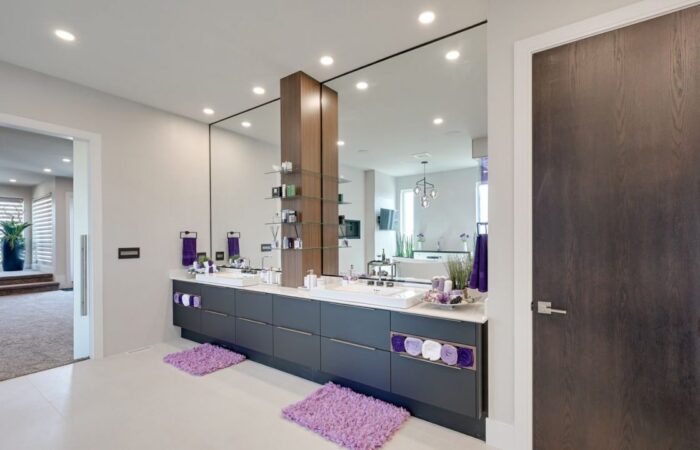
- Spatial Expansion: Custom-cut, large-format mirrors strategically placed in hallways, small dining areas, or narrow rooms create the illusion of doubled space and depth. This is a functional design trick that makes smaller homes feel significantly more expansive.
- Light Amplification: By reflecting natural and artificial light sources, custom mirrors amplify illumination, making rooms brighter and more inviting.
- Durable Surfaces: Back-painted glass, often used for kitchen backsplashes or cabinet inserts, is prized for its high durability, stain resistance, and ease of cleaning—a highly functional choice for high-spill, high-use areas. The solid, uniform colour is protected by the glass itself, ensuring a maintenance-free finish.
In every corner of the modern Albertan residence, from the triple-pane windows facing the harsh winter to the safety-rated glass railing on the balcony, glass provides a necessary function that dictates comfort, safety, and longevity.
5. Functional Aesthetics: Harnessing Digital Print and Back-Painted Glass for Customization
The ultimate expression of functional glass is the ability to integrate bespoke design and enduring durability into a single surface. This is where advanced customization services like Digital Print Glass and Back Painted Glass become highly functional tools for modern Alberta homes, offering permanent colour, pattern, and privacy control without sacrificing the ease of maintenance that only glass can provide.
Digital Print Glass: Design and Optimized Light Control
Digital Print Glass utilizes cutting-edge technology to apply specialized ceramic inks directly onto the glass surface. Crucially, the glass is then subjected to a tempering process, which permanently fuses the ceramic inks into the glass structure itself. This unique process creates a surface with extraordinary functional advantages that go far beyond mere aesthetics.
- Extreme Durability and Longevity: Because the colour is baked into the glass at high temperatures, the resulting image or pattern is resistant to scratching, fading from UV exposure, and damage from common household chemicals and cleaners. This permanence makes it a superior functional choice for high-use areas like kitchen backsplashes and bathroom wall panels, where typical printed or painted surfaces would deteriorate over time.
- Controllable Privacy and Glare: Digital printing is a precise tool for managing light and view. By controlling the opacity and density of the printed dots or pattern, glaziers can custom-engineer the level of visual privacy the glass offers. This functional customization can be used in:
- Glass Railings: Applying a subtle gradient or pattern can obscure the view of the deck below while maintaining the open feel and meeting safety requirements.
- Interior Partitions: Printing a custom geometric design allows daylight to flow through the glass while preventing direct sightlines into a private office or bedroom.
- Solar Control: For south-facing windows or large exterior panels, a custom printed pattern can reduce the Solar Heat Gain Coefficient (SHGC), mitigating unwanted heat and glare during sunny summer months, a sophisticated functional choice that aids in overall energy management.
- Seamless, High-Resolution Imagery: The technology allows for the reproduction of any high-resolution image, pattern, or texture with stunning clarity. This means homeowners can functionally replicate the look of natural materials like marble, granite, or wood on glass surfaces without the maintenance or cost associated with the real material.
Back Painted Glass: High-Durability Colour for Seamless Surfaces
Back Painted Glass is a simpler, yet equally functional, customization option that achieves a sleek, seamless look popular in contemporary residential design. The paint is applied to the back of the glass panel and cured, with the glass itself acting as a protective barrier for the colour.
Its functional advantages are clear, especially in kitchens and bathrooms:
- Ultimate Hygiene: The glass creates a non-porous, seamless barrier, eliminating the need for grout lines. This makes the surface virtually impervious to stains, mould, and mildew, which is a significant hygienic improvement over traditional tiling.
- Custom Colour Matching: The paint can be precisely colour-matched to any major colour palette, allowing homeowners to perfectly integrate a glass feature—such as a backsplash, wall cladding, or vanity top—with existing cabinetry or paint, providing an elevated level of functional design integration.
- Durable Reflectivity: The inherent gloss of the glass reflects light, adding depth and vibrancy to the chosen colour. The colour remains vibrant and protected behind the glass, ensuring the rich finish lasts for decades without the need for repainting.
Red Seal Glass provides functional solutions that marry high design with long-term, low-maintenance performance, cementing glass as the superior material choice for the most demanding surfaces in the modern Alberta home.
In a region where construction demands the highest standards of energy efficiency and structural integrity, choosing Red Seal Glass is the single most important step in realizing the full potential of your home. Our team has the certified expertise to ensure every custom glass solution meets or exceeds the strict technical and safety requirements. Contact Red Seal Glass today to schedule a consultation and begin transforming your vision into a stunning, functional reality.